
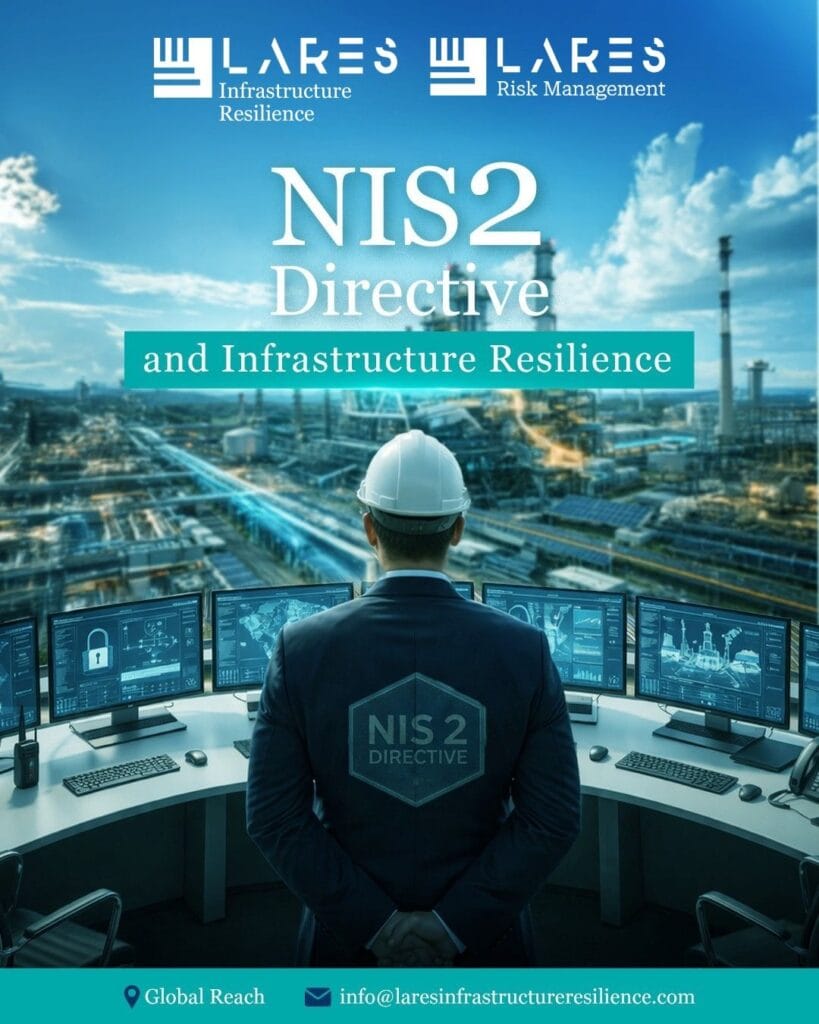
NIS2 Directive and Infrastructure Resilience
The introduction of the NIS2 Directive represents a significant evolution in how organizations approach cybersecurity, risk management, and operational continuity. Rather than acting as another layer of regulatory compliance, NIS2 is reshaping expectations around leadership accountability and long-term resilience. For many organizations, it signals a shift from viewing cybersecurity as a technical function to recognizing it as a core business priority.
NIS2 Directive and the Shift in Cybersecurity Leadership
One of the most important changes introduced by NIS2 is the elevation of responsibility to the executive level. Cybersecurity is no longer confined to IT departments. Leadership teams are now expected to take ownership of how risks are identified, managed, and mitigated across the organization.
This shift strengthens accountability and encourages better alignment between business strategy and cybersecurity practices. Decision-makers must understand how cyber risk impacts operations, reputation, and financial performance. As a result, governance frameworks are becoming more structured, with clearer roles, reporting lines, and performance expectations tied to resilience outcomes.
Strengthening Operational Resilience Through Proactive Risk Management
NIS2 emphasizes proactive resilience over reactive response. Organizations are expected to maintain continuous awareness of their risk landscape, rather than responding only when incidents occur. This includes implementing structured monitoring, improving incident detection capabilities, and ensuring timely reporting.
A key focus area is supply chain security. Organizations must assess not only their internal systems but also the resilience of their partners, vendors, and service providers. Weaknesses in third-party networks can create significant vulnerabilities, making supply chain oversight a critical component of compliance and operational stability.
By embedding risk-based decision-making into daily operations, organizations can reduce disruption and maintain continuity even under pressure. This approach moves beyond compliance checklists and supports long-term sustainability.
Compliance Requirements and Business Continuity Under Pressure
With over 160,000 organizations expected to be impacted, NIS2 introduces stricter enforcement and substantial penalties for non-compliance. However, the real challenge is not simply meeting regulatory requirements. The focus is shifting toward a more practical question: can the organization continue to operate effectively during a cyber incident?
This perspective places business continuity at the center of cybersecurity strategy. Incident response plans, recovery capabilities, and communication protocols must be clearly defined and regularly tested. Organizations that invest in resilience are better equipped to handle disruptions without significant operational or financial damage.
Turning NIS2 Compliance into a Strategic Advantage
Organizations that treat NIS2 as a compliance obligation may meet the minimum requirements, but they risk missing the broader opportunity. When approached strategically, NIS2 can serve as a catalyst for strengthening infrastructure resilience and improving overall performance.
Integrating cybersecurity with operational technology and enterprise risk management creates a more cohesive and adaptive organization. It enables faster response times, better decision-making, and stronger protection of critical systems.
At its core, NIS2 encourages organizations to rethink how they operate under stress. Resilience is not achieved through isolated controls but through a coordinated effort that spans people, processes, and technology.
Organizations that embrace this mindset will not only meet regulatory expectations but also build a foundation for long-term stability. In an environment where disruption is inevitable, resilience becomes a defining competitive advantage.
📩 info@laresinfrastructureresilience.com
For further information:
📩 info@laresriskmanagement.com
🌐 Contact us
📰 Other insights