
Ben Suurd on Dutch TV: The Future of Risk Management Beyond Compliance
Risk management is becoming increasingly complex. Evolving regulations, rapid digital transformation, and rising societal expectations are reshaping how organizations identify, assess, and respond to risk. What was once considered a compliance-driven function is now a critical component of strategic decision-making.
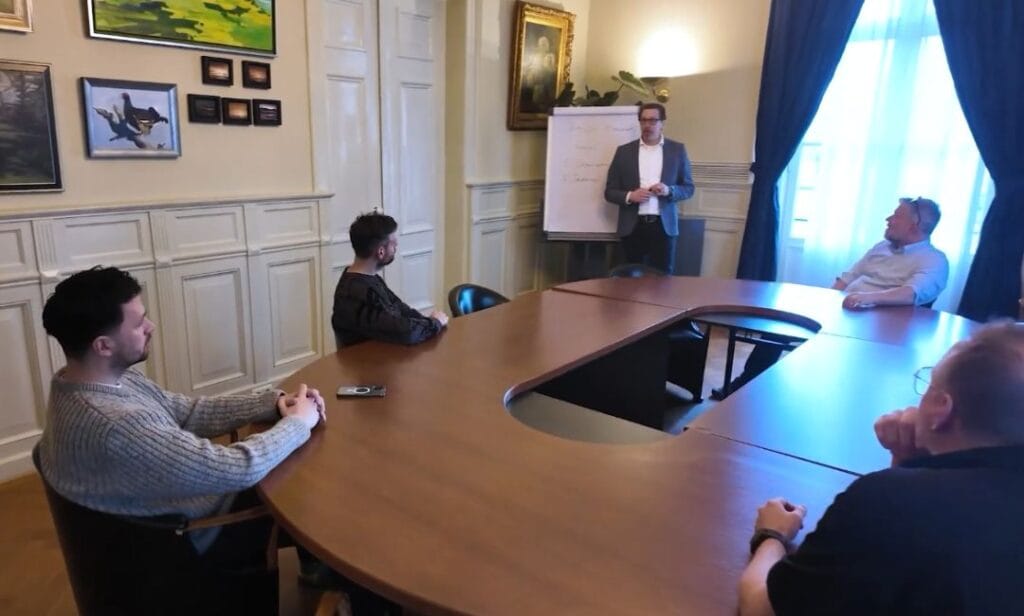
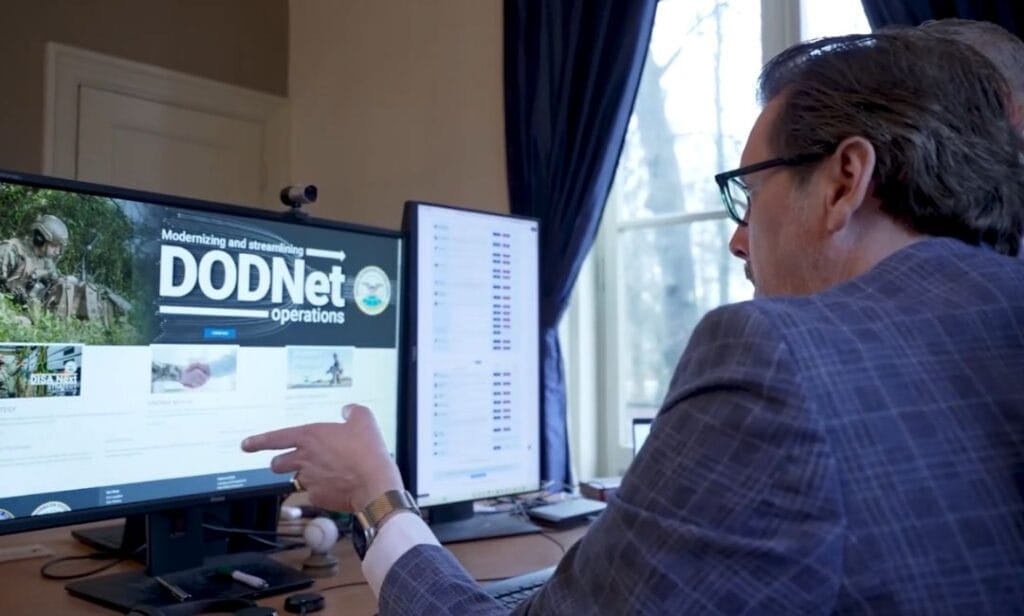
In a recent appearance on the Dutch TV program Bouwen aan de Toekomst, Ben Suurd, Director at Lares Risk Management International, brought this conversation into the public spotlight. His participation highlights not only the growing importance of risk management, but also the need for broader awareness beyond traditional corporate environments.
During the interview, Suurd emphasized a critical shift. Risk management must move beyond a checkbox exercise and be recognized as a professional discipline in its own right. Many organizations still rely on static frameworks, reports, and scoring systems that do not reflect real-world complexity. Labels such as “high” or “medium” risk offer limited value without context. What matters more is how risks actually develop within specific operational environments.
Why Modern Risk Management Requires a Proactive and Embedded Approach
A central message from the discussion is the importance of understanding the organization itself. Effective risk management is grounded in a clear view of internal dynamics, including culture, leadership, and day-to-day operations. Without this, risk assessments remain theoretical and disconnected from reality.
Suurd also highlighted the need for a proactive mindset. Many organizations still operate reactively, addressing issues only after they arise. A more mature approach focuses on anticipating threats, identifying early warning signals, and preparing structured response plans. This forward-looking perspective is essential for building resilience in an increasingly unpredictable environment.
Leadership also plays a critical role. Risk culture is shaped at the top, and when leaders actively engage with risk management, ask the right questions, and prioritize preparedness, organizations are better positioned to navigate uncertainty.
Ultimately, the message shared on national television is clear. Risk management is not about avoiding risk, but about enabling organizations to operate with confidence. By embedding risk into decision-making and daily operations, businesses can protect their people, assets, and reputation while maintaining continuity in the face of disruption.
📺 Watch the full interview here:
https://www.youtube.com/watch?v=s4ac_zI0AeY
For further information:
📩 info@laresriskmanagement.com
🌐 Contact us
📰 Other insights